principle

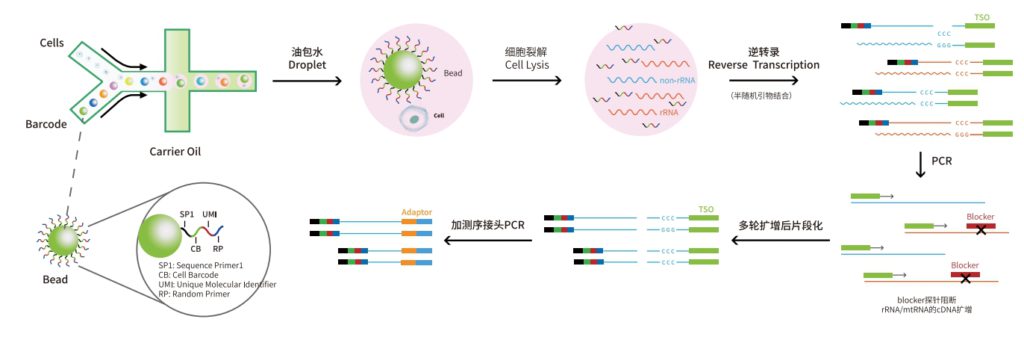
The single-cell full-length transcriptome detection technology, scFAST-seq, uses semi-random primers 12N7K to capture RNA, replacing the method of using olig0-dT to capture RNA. This enables reverse transcription to be initiated at multiple sites of the transcript, achieving full-length coverage of RNA. Meanwhile, by using blockers to block mitochondrial ribosomal RNA (mt-rRNA) and ribosomal RNA (rRNA), data waste is reduced, and information on some non-coding RNAs other than mRNA can be effectively obtained. Thanks to the above technological improvements, the scFAST-seq technology has unique advantages in mutation detection, the detection of lncRNAs (long non-coding RNAs), and the detection of alternative splicing events.
Advantages

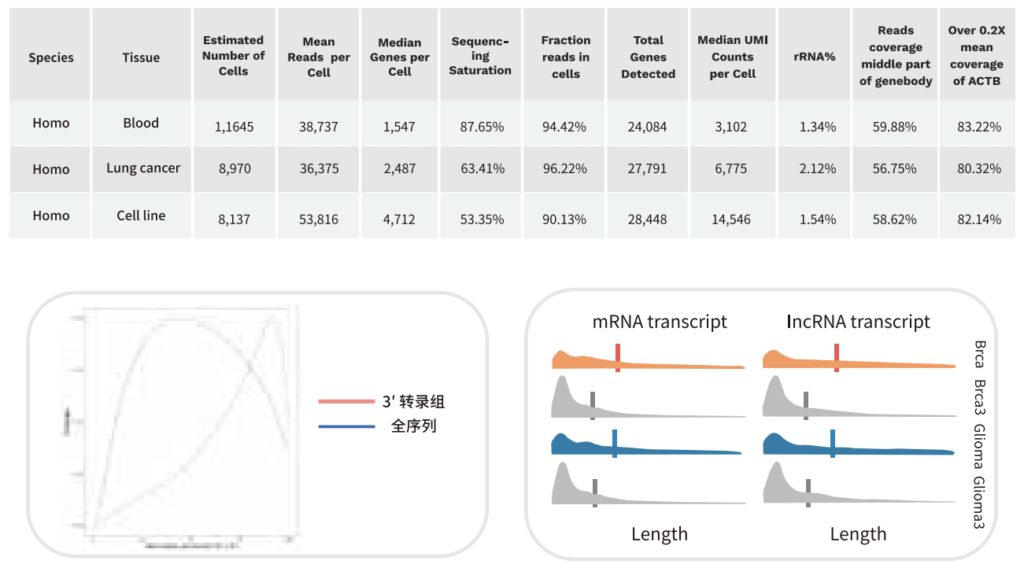
  1. Achieve full-length coverage of the transcriptome.

2. The detection quantity and abundance of long non-coding RNA (lncRNA) are increased.

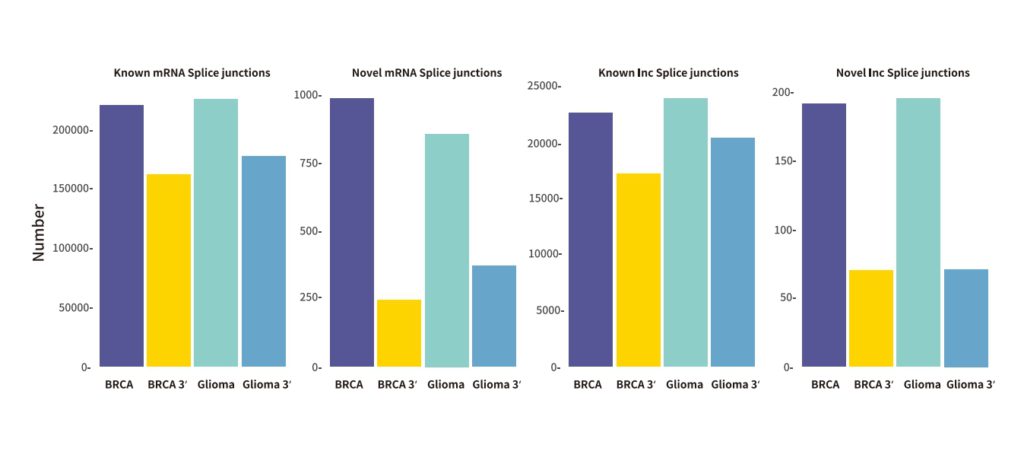
3. Improve the detection rate of alternative splicing events for mRNA and long non-coding RNA (lncRNA).

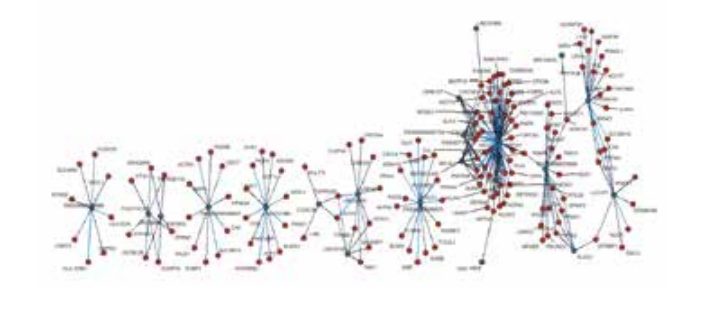
4. Construct the long non-coding RNA (lncRNA)-mRNA regulatory network.

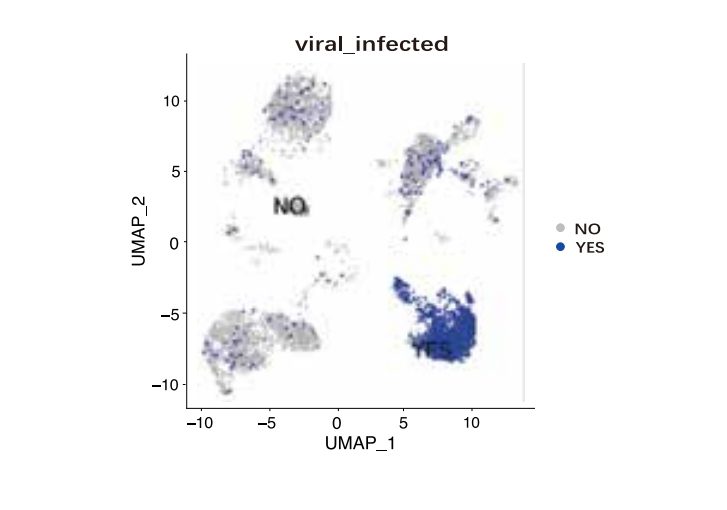
5. Enable cross-species research (virus sequences can be detected).

6. Improve the detection of mutations.

Applications

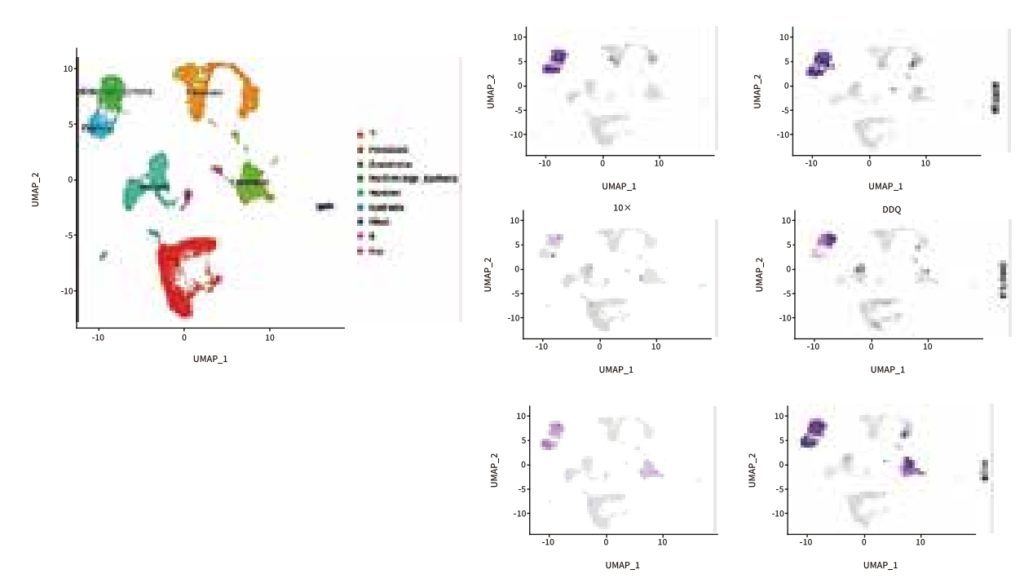
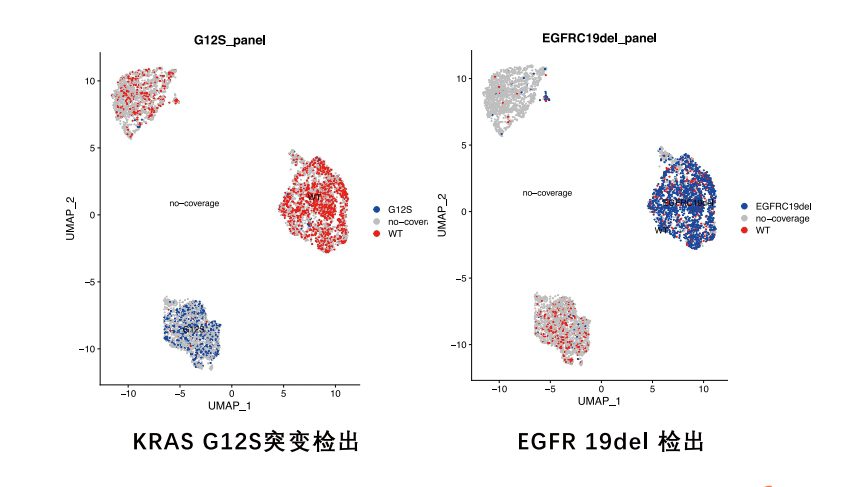
01 Achieved the detection and research of mutations at the single-cell level.

•  Identify the cellular origin of driver mutations.

•  Explore the characteristics of the microenvironment of mutation subtypes.

•  Detect co-mutations and metastasis.

•  Analyze cell differentiation and mutation trajectories.

02 Achieved the detection and research of non-polyA mRNA.

•  Detection of a higher proportion of non-polyA genes (such as histones, etc.). 

•  Achieved the detection of non-polyA species (such as viruses, etc.).

03 Achieved the detection of full-length and a higher proportion of noncoding RNA.

04 Achieved the detection of a higher proportion of splice junctions.